
Dickinson Weeding Services
Choose our expert weeding services for a healthier, more vibrant landscape—our experienced team ensures your garden stays pristine, saving you time and effort while enhancing your curb appeal.
Get a Free QuoteOur Dickinson Landscaping & Yard Care Services
When to Schedule Weeding in Dickinson, Texas – Seasonal Guide
In Dickinson, Texas, the best times to schedule weeding are typically in early spring and late fall, when temperatures are moderate and weed growth is most active. The region’s humid subtropical climate, with its warm, wet springs and hot summers, means weeds can thrive if not managed proactively. Neighborhoods near Paul Hopkins Park and along the Dickinson Bayou often experience rapid weed growth due to fertile soils and consistent moisture, making timely intervention essential for maintaining healthy landscapes.
Local environmental factors such as the last frost date (usually late February), periods of high humidity, and the risk of summer droughts all play a role in determining the optimal weeding schedule. Areas with dense shade from mature oaks or pecans, like those found in the Bay Colony area, may require more frequent attention due to persistent moisture and slower soil drying. For more information on local climate patterns and gardening resources, visit the Sudbury municipal site.
Local Factors to Consider for Weeding in Dickinson
- Tree density and shade coverage, especially in established neighborhoods
- Soil type and drainage, which can vary near the bayou versus upland areas
- Seasonal precipitation patterns and risk of drought
- Municipal restrictions or guidelines for yard maintenance
- Terrain and accessibility, particularly in properties with sloped yards or heavy ground cover
Benefits of Weeding in Dickinson
Enhanced Curb Appeal
Healthier Plant Growth
Reduced Pest Infestation
Improved Soil Quality
Professional and Reliable Service
Time and Effort Savings
Dickinson Weeding Types

Hand Weeding
-
Mulching
-
Pre-Emergent Herbicide Application
-
Post-Emergent Herbicide Application
-
Flame Weeding
-
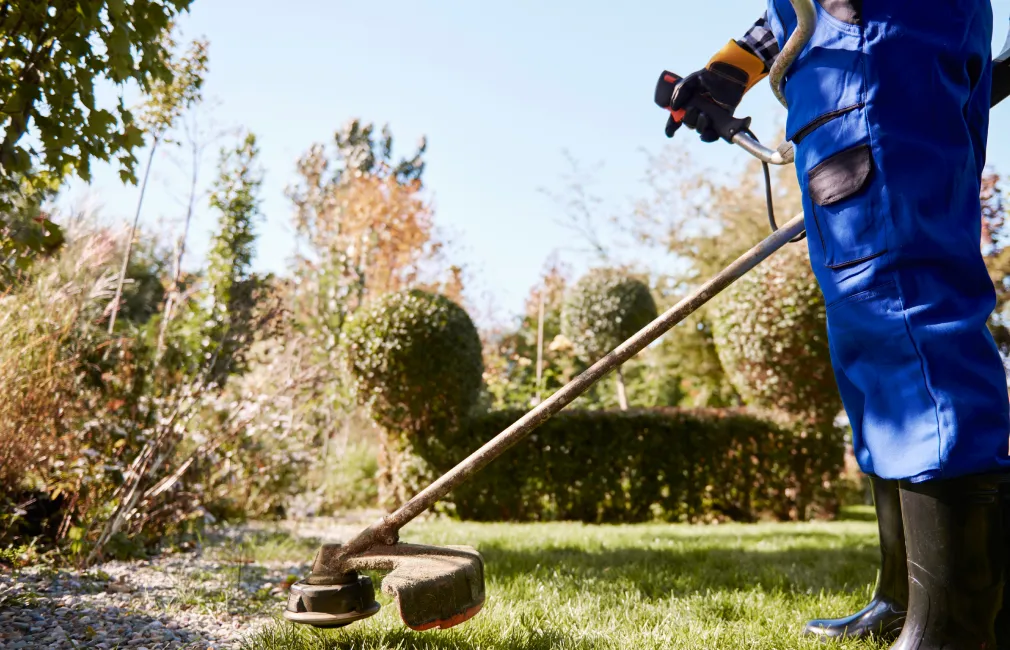
Mechanical Weeding
-
Soil Solarization
Our Weeding Process
Site Evaluation
Weed Identification
Targeted Removal
Soil Treatment
Final Inspection
Why Choose Dickinson Landscape Services
-
Dickinson Homeowners Trust Us
-
Expert Lawn Maintenance
-
Reliable Scheduling
-
Competitive Pricing
-
Professional Team
-
Satisfaction Guarantee
-
Personalized Service
Soil Series and Drainage Considerations for Weeding in Dickinson’s Blackland Prairie
Weeding practices in Dickinson must account for the city’s predominant soil types, including the Houston Black clay and Lake Charles clay loam, as identified by the USDA Web Soil Survey. These soils are characterized by high clay content, pH levels typically ranging from 7.5 to 8.2, and poor drainage, which can lead to compaction and surface water retention. Effective weed removal requires mechanical extraction to a depth of 3-4 inches to disrupt root systems in dense clay. Soil amendments such as compost (2-3 inches tilled to 6-inch depth) and gypsum are recommended to improve structure and reduce compaction. Soil testing is available through Texas A&M AgriLife Extension for $15-25 per sample. Proper disposal of extracted weeds is essential to prevent clogging of drainage systems and comply with city ordinances.
Dickinson’s Yard Waste Collection and Municipal Weeding Ordinances
Dickinson enforces specific regulations for yard waste disposal and weeding maintenance. Residents must adhere to the city’s weekly curbside collection schedule, with yard waste pickup every Thursday from April through November. Accepted materials include weeds, grass clippings, and brush under 4 feet in length, placed in biodegradable bags or reusable bins (32-gallon maximum). Prohibited items include plastic bags and branches over 4 inches in diameter. Equipment operation for weeding is permitted:
- Monday-Friday: 7:00 AM - 7:00 PM
- Saturday: 8:00 AM - 6:00 PM
- Sunday and holidays: Prohibited
Violations of these ordinances may result in fines. For detailed guidance, contact:
Dickinson Public Works Department
4403 Highway 3, Dickinson, TX 77539
Phone: (281) 337-2489
Official Website: Dickinson Public Works Department
Environmental Compliance: Stormwater, Wetlands, and Buffer Zones in Dickinson
Weeding activities in Dickinson must comply with local and state environmental regulations to protect Dickinson Bayou, adjacent wetlands, and stormwater infrastructure. The city operates under a Texas Commission on Environmental Quality (TCEQ) MS4 permit, which prohibits yard waste and soil from entering storm drains. Maintain a 25-foot no-disturbance buffer from wetlands and water bodies, and avoid applying herbicides or fertilizers within 50 feet of these areas. The Clean Water Act and Texas Water Code require these measures to prevent nutrient runoff and protect aquatic habitats. For questions on buffer requirements or reporting violations, contact:
Dickinson Code Enforcement Department
4403 Highway 3, Dickinson, TX 77539
Phone: (281) 337-2489
Official Website: Dickinson Code Enforcement Department
Seasonal Timing and Weather Considerations for Weeding in Dickinson’s Climate Zone
Dickinson is located in USDA Hardiness Zone 9a, with a long growing season and average last frost in early March. Optimal weeding windows are:
- Spring: March 15 – May 30 (soil temp 60-75°F)
- Fall: September 15 – November 15 (before first frost)
Avoid weeding during peak summer (June-August) due to heat stress and rapid weed regrowth. Monitor local weather conditions using the National Weather Service Houston/Galveston Office. For persistent weed issues, schedule removal after rainfall when soils are moist for easier extraction. Mulching beds with 2-3 inches of organic mulch after weeding helps suppress regrowth and conserve soil moisture. For additional timing guidance, consult Texas A&M AgriLife Extension.
Professional Standards and Safety Protocols for Weeding Operations in Dickinson
All weeding operations in Dickinson must adhere to municipal safety standards and equipment requirements. Operators are required to use:
- Eye protection: ANSI Z87.1 safety glasses
- Hearing protection: Earmuffs or plugs for equipment over 85 dB
- Gloves: Cut-resistant for hand weeding, chemical-resistant for herbicide application
- Footwear: Steel-toed boots with non-slip soles
Maintain a 15-foot clearance from overhead utilities and public sidewalks during mechanical weeding. Equipment must be commercial-grade and maintained with blade sharpening every 20-25 hours of use. For work near public rights-of-way, advance warning signs must be placed 100 feet from the work zone. For questions on safety protocols, contact:
Dickinson Community Development Department
4403 Highway 3, Dickinson, TX 77539
Phone: (281) 337-2489
Official Website: Dickinson Community Development Department
What Neighborhoods Do We Serve Throughout Dickinson, TX?
- Bay Colony: Features newer developments with compacted fill soils and moderate drainage, requiring deep mechanical weeding and attention to HOA landscaping standards.
- Nicholstone: Characterized by mature tree cover and heavy clay soils, leading to persistent weed growth and challenging root removal.
- St. Edmunds Green: Contains smaller lots with proximity to Dickinson Bayou, necessitating strict compliance with wetland buffer regulations and careful debris management.
- Briar Glen: Noted for larger lots and mixed soil types, including sandy loam areas that allow for easier hand weeding but require erosion control on slopes.
- Colonial Estates: Located near flood-prone zones, this area demands careful timing of weeding to avoid soil disturbance during wet periods and adherence to drainage ordinances.
- Green Caye Village: Features high-density housing with limited yard space, making containerized debris collection and adherence to noise ordinances especially important.
- Moores Addition: Includes older properties with established landscaping and potential for invasive species, requiring regular monitoring and integrated weed management strategies.